
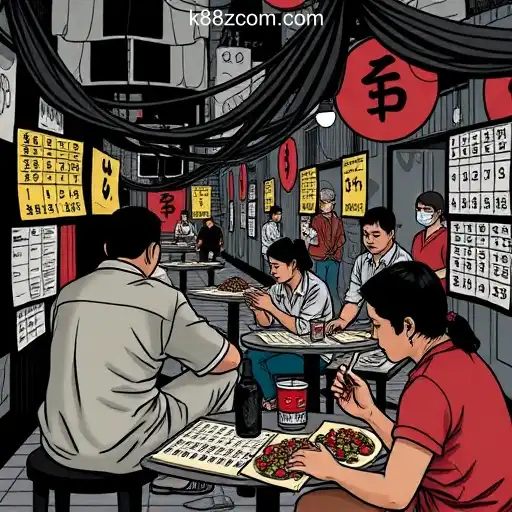

The Intricate World of Jueteng: A Cultural Phenomenon
Jueteng is a deeply ingrained part of Filipino culture, an illegal numbers game that operates in the shadows but holds significant influence in the Philippines. Despite its illegality, jueteng thrives, interwoven with politics, and acts as an economic lifeline for many. In recent times, with the rise of online platforms such as K88Z.COM Cassino online com bônus no Brasil💸, there's a surge in awareness around gambling in alternative forms, bringing to light the complexities surrounding such activities.
Historical Context
The origin of jueteng traces back to the Spanish colonial era. What started as an innocent game of chance, akin to a lottery, rapidly transformed into a widespread form of gambling that permeated all socio-economic levels. Its etymology is Chinese in origin, reflecting the Philippines' historical trade relationships. A game with simple mechanics, jueteng requires players to choose a combination of numbers which are then drawn daily, allowing quick turnarounds on bets.
The Jueteng Economics
Despite being outlawed, jueteng supports a vast underground economy. The allure for participants is the large payout on a small wager. As an informal, cash-based system requiring little initial investment, it appeals to marginalized sectors looking to escape economic hardships. Jueteng’s financial ecosystem includes cobradores (collectors), cabos (coordinators), and the jueteng lords who orchestrate the operations behind the scenes. These hierarchies feed the network, creating job opportunities where formal employment is scarce.
Political Landscape
Jueteng’s ties to politics are intricate. Politicians often turn a blind eye due to the potential for gaining favor in their constituencies or as a result of direct financial contributions from jueteng profits. This symbiosis creates a powerful political machine where local officials may protect jueteng operators in exchange for influence or monetary gain. Reports over the years have highlighted both local officials and law enforcement agencies complicit in maintaining the status quo.
Cultural Perspectives
The cultural resonance of jueteng cannot be dismissed. For many, it’s not just about gambling; it’s part of daily life, a form of entertainment, and an aspect of cultural identity. Although often criticized, it represents the ingenuity and adaptability of Filipino culture in facing systemic economic challenges. Jueteng serves not just as a means to earn money, but also to participate in community traditions.
The Modern Shift to Online Gambling
In the digital age, jueteng faces competition from online gambling platforms like K88Z.COM Cassino online com bônus no Brasil💸, which promise convenience and broader access to betting opportunities. This transition to digital platforms is a global trend in the gambling industry. These online gaming environments provide structured and regulated options for participants, promising bonuses and a diverse array of games.
However, the shift to online gambling introduces new challenges. The ease of access increases the potential for addiction and financial mismanagement. Unlike traditional jueteng, which operates within close community boundaries, online platforms have no geographical constraints, potentially exposing users to greater risks without robust safeguards.
Legal and Ethical Challenges
The Philippines faces a dilemma in addressing jueteng. Efforts to legalize the game have encountered resistance, fearing it could legitimize and expand the existing vice. Conversely, crackdowns have proved largely ineffective, only pushing operations deeper underground. The debate continues on whether to integrate it within a regulated framework, as has been done with other forms of gambling in the country.
Ethical considerations often arise when discussing decisions to either legalize or intensify crackdowns. There's a need to balance respect for cultural traditions with the responsibility to protect citizens from exploitation. Creating frameworks that support communities economically while minimizing harm remains a challenge.
The Global Perspective
The issues surrounding jueteng are not isolated to the Philippines alone. Globally, many societies grapple with the impacts of gambling, whether legal or illegal. The growing popularity of platforms like K88Z.COM Cassino online com bônus no Brasil💸 shows how technology is reshaping the nature of gaming worldwide, delivering both opportunities and challenges.
For governments, the answer lies in finding a balance. Implementing regulations that protect users and curb illegal operations while respecting cultural nuances are crucial. As societies become increasingly interconnected, the lessons learned in one region can inform policies and practices in another, potentially offering paths forward for sustainable and responsible gambling.
Conclusion
The narrative of jueteng is a reflection of larger societal dynamics at play, involving economics, politics, and culture. As technology evolves and more platforms like K88Z.COM Cassino online com bônus no Brasil💸 emerge, societies must navigate these changes with foresight and responsibility, ensuring that the potential benefits do not overshadow the need to safeguard welfare and cultural heritage.